
PYLIA builds a digital model of your enterprise together with your teams. This model links strategy, activities and resources to inform your decisions. Throughout the project, PYLIA transfers to your teams the expertise they need to develop it independently.

Your challenges

  • Gain agility

    Adapt your organisation, skills and resources to changes in the market.

  • De-risk transformations

    Anticipate the impact of your choices across the whole enterprise.

  • Stay in control of AI

    Define which activities to entrust to AI, the rules it must follow and the controls to put in place.
A shared representation of how your enterprise works.
A leader presents the enterprise model to a team: strategy, operations, resources and AI agents

The model shows how activities depend on one another, lets you compare several options and anticipate their consequences before deciding.

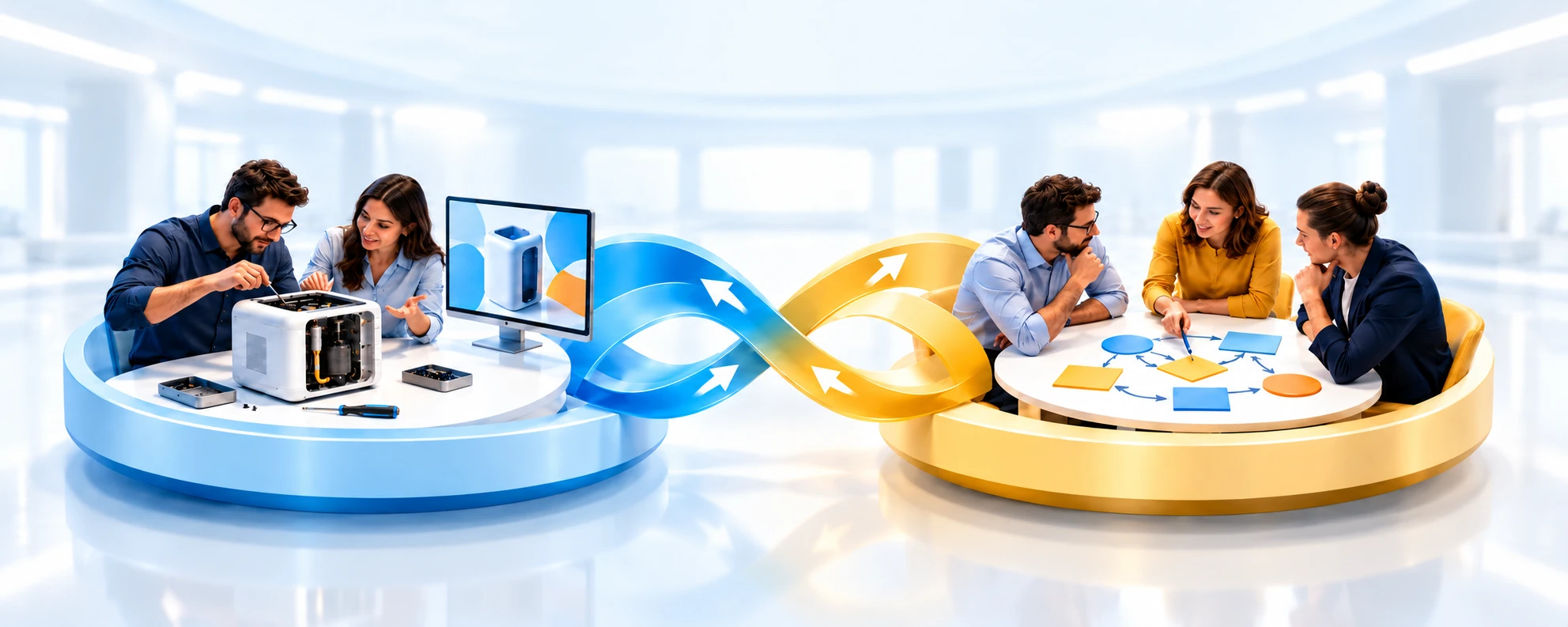
Two teams linked by an infinity loop: one works on a product, the other on how the enterprise operatesProducts and Services SystemEnterprise System
Your enterprise designs products and services. To develop and evolve them, its organisation, skills and resources must evolve too. Enterprise systems engineering helps design these changes together.

Examples of trade-offs

01

If I target a new market, what activities, skills and resources do I need to put in place?

02

If I outsource logistics, what is the impact on costs, lead times and organisation?

03

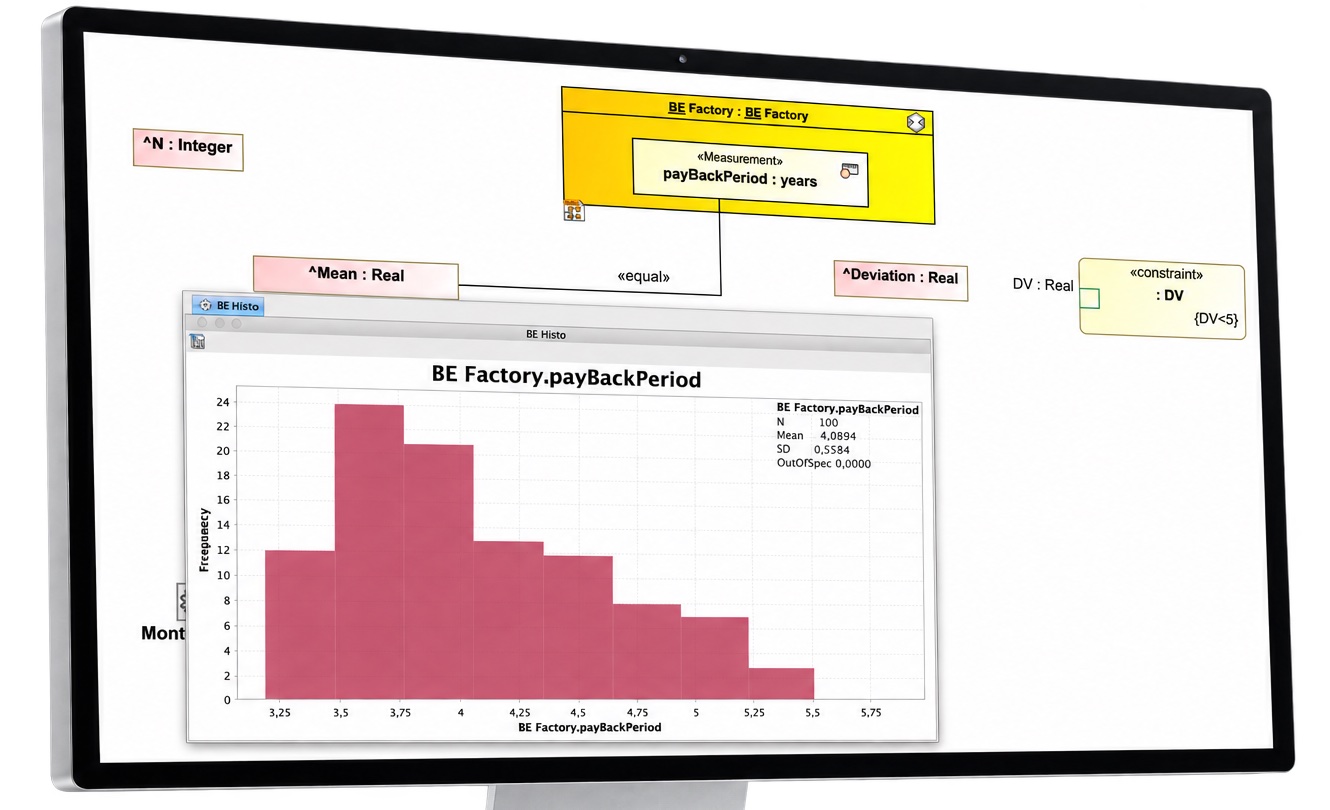
Which transformations of my industrial system would deliver a return on investment under 5 years, despite market and operating uncertainties?

04

If I entrust activities to an AI, how should roles, responsibilities and controls be adapted?

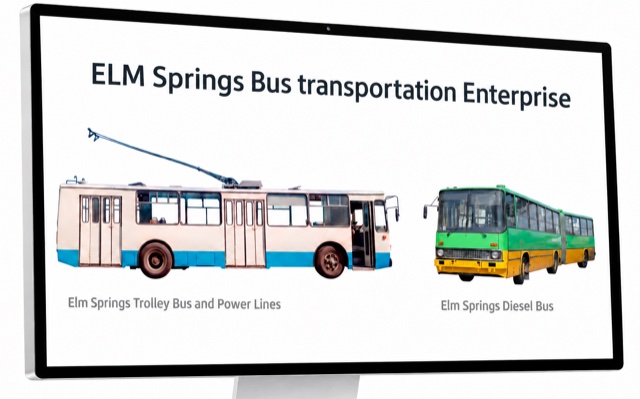
View of the MANGO Green Power modelMANGO Green PowerDiscover how a model helps you explore how an enterprise works.See the demonstrator →Illustration from the publication: the model of a bus transportation enterpriseEnterprise Transformation PlanningPublication by Dassault Systèmes, with a contribution from PYLIA.Download →